

Hey there! As a supplier of Quadruplex Overhead Wire, I've been getting a lot of questions lately about how to reduce voltage drop. Voltage drop can be a real pain in the neck, especially when you're dealing with long distances or high loads. But don't worry, I've got some tips and tricks that can help you keep that voltage in check.
First off, let's talk about what voltage drop is. Voltage drop is the decrease in voltage that occurs as electricity flows through a wire. It's caused by the resistance of the wire, which is determined by its length, cross-sectional area, and the material it's made of. The longer the wire, the higher the resistance, and the more voltage drop you'll experience.
So, how can you reduce voltage drop in Quadruplex Overhead Wire? Well, there are a few things you can do.
1. Increase the Wire Size
One of the most effective ways to reduce voltage drop is to increase the size of the wire. A larger wire has less resistance, which means less voltage drop. When you're choosing a wire size, you need to consider the load you'll be carrying and the distance the wire will be running. You can use a voltage drop calculator to determine the appropriate wire size for your application.
For example, if you're running a long distance with a high load, you might want to consider using a larger gauge wire. This will help to reduce the resistance and minimize the voltage drop. Keep in mind that larger wires are more expensive, so you need to balance the cost with the benefits.
2. Shorten the Wire Length
Another way to reduce voltage drop is to shorten the wire length. The shorter the wire, the less resistance it will have, and the less voltage drop you'll experience. If possible, try to route your wires in the shortest possible path. This might mean avoiding unnecessary bends and turns, or using a more direct route.
For instance, if you're installing Quadruplex Overhead Wire in a large area, you might want to consider using multiple shorter runs instead of one long run. This will help to reduce the overall wire length and minimize the voltage drop.
3. Use a Lower Resistance Material
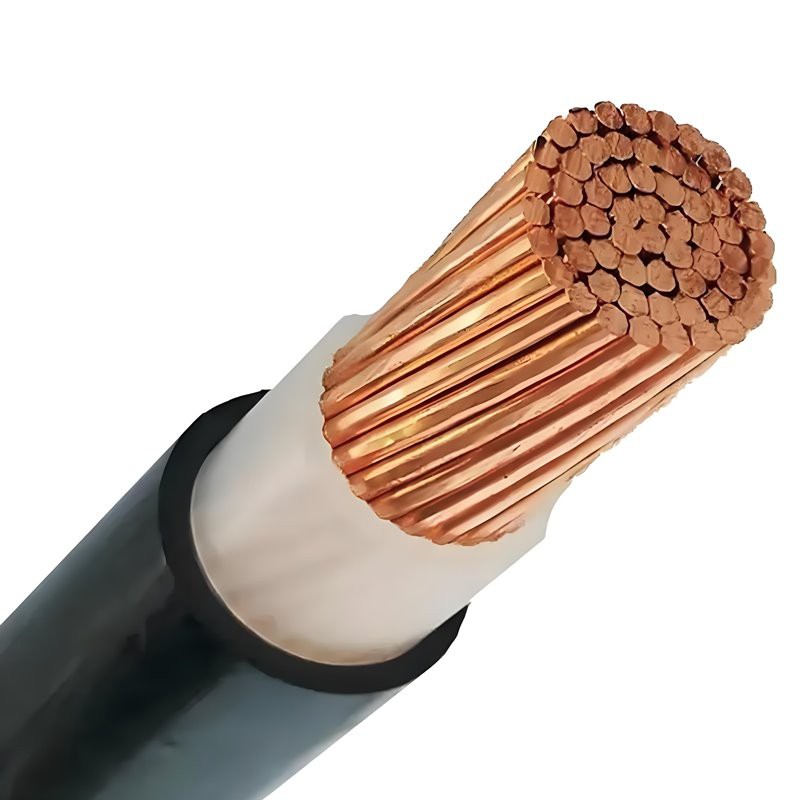
The material the wire is made of also affects its resistance. Some materials, like copper, have a lower resistance than others, like aluminum. If you're looking to reduce voltage drop, you might want to consider using a wire made of a lower resistance material.
Copper is a popular choice for Quadruplex Overhead Wire because it has a low resistance and is highly conductive. However, it's also more expensive than aluminum. Aluminum is a more affordable option, but it has a higher resistance. You need to weigh the cost and performance of each material to determine which one is right for your application.
4. Reduce the Load
The amount of current flowing through the wire also affects the voltage drop. The higher the load, the more voltage drop you'll experience. If possible, try to reduce the load on the wire. This might mean using more energy-efficient appliances or spreading the load across multiple circuits.
For example, if you have a large number of high-power appliances on one circuit, you might want to consider splitting them up onto different circuits. This will help to reduce the load on each wire and minimize the voltage drop.
5. Use Voltage Regulators
Voltage regulators are devices that can help to maintain a constant voltage level. They work by adjusting the voltage as needed to compensate for any changes in the load or the wire resistance. If you're experiencing significant voltage drop, you might want to consider using a voltage regulator.
There are different types of voltage regulators available, including linear regulators and switching regulators. Linear regulators are simple and inexpensive, but they're not very efficient. Switching regulators are more complex and expensive, but they're much more efficient. You need to choose the type of voltage regulator that's right for your application.
6. Check for Loose Connections
Loose connections can also cause voltage drop. When a connection is loose, it creates a high resistance point in the circuit, which can lead to a significant voltage drop. Make sure all your connections are tight and secure.
Regularly inspect your Quadruplex Overhead Wire for any signs of loose connections, corrosion, or damage. If you find any issues, make sure to fix them as soon as possible. This will help to ensure that your wire is operating at its best and minimize the voltage drop.
7. Consider Using Parallel Wires
If you're dealing with a high load or a long distance, you might want to consider using parallel wires. Parallel wires are multiple wires that are connected in parallel to each other. This effectively increases the cross-sectional area of the wire, which reduces the resistance and minimizes the voltage drop.
However, using parallel wires can be more complex and expensive than using a single wire. You need to make sure that the wires are properly sized and connected to avoid any issues.
Related Products
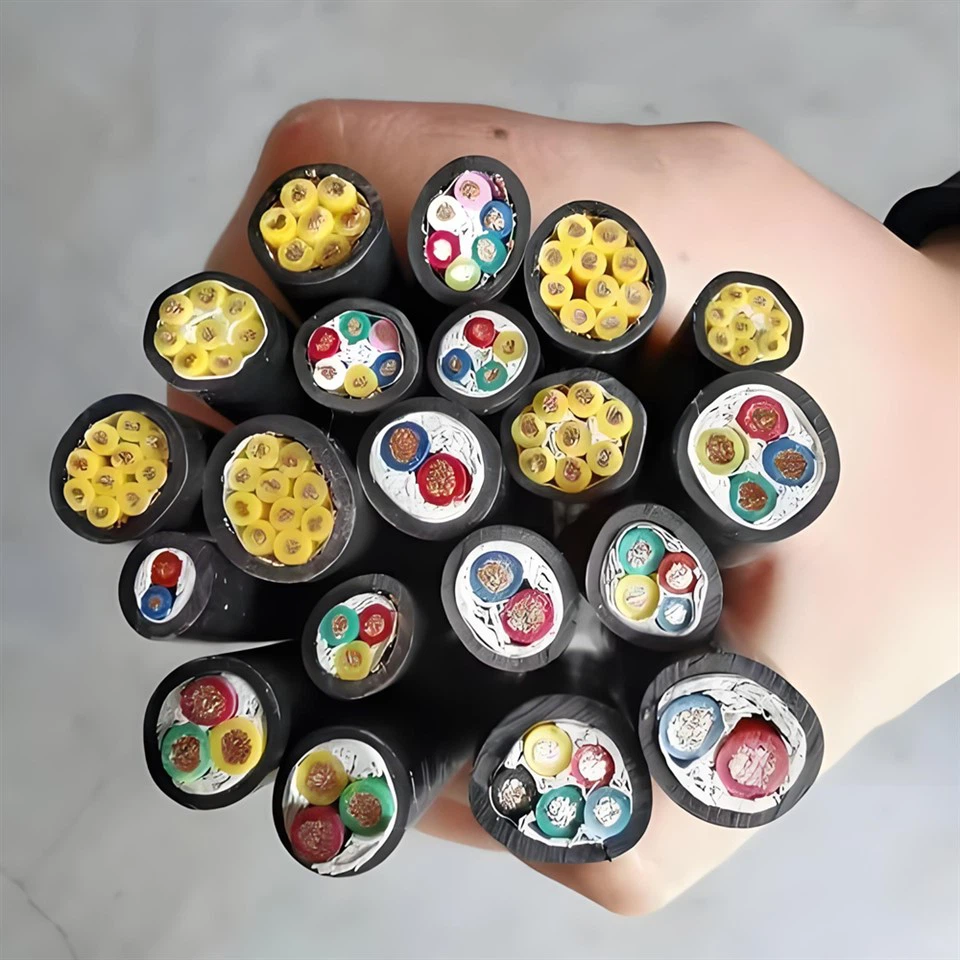
If you're looking for other types of cables, we also offer Low Voltage Power Cable, Multi Core Control Cable, and Medium Voltage Power Cable. These cables are designed to meet different needs and applications, and they can be a great addition to your electrical system.
Conclusion
Reducing voltage drop in Quadruplex Overhead Wire is all about minimizing the resistance and ensuring that the wire is properly sized and installed. By following the tips and tricks I've outlined above, you can significantly reduce the voltage drop and improve the performance of your electrical system.
If you have any questions or need help with your Quadruplex Overhead Wire or other cable needs, don't hesitate to reach out. We're here to help you find the right solutions for your application and ensure that your electrical system is running smoothly.
References
- Electrical Wiring Handbook
- National Electrical Code
That's all for now. I hope this blog post has been helpful. If you have any comments or questions, feel free to leave them below.