

Hey there! As a supplier of Hv Power Cables, I often get asked if these cables can be used in a windy environment. Well, let's dive right into it and find out.
First off, what exactly is an Hv Power Cable? High-voltage power cables are designed to carry large amounts of electrical energy over long distances. They're used in a variety of applications, from powering cities to connecting offshore wind farms to the grid. But when it comes to windy conditions, there are a few things we need to consider.
Wind and Cable Movement
One of the main concerns in a windy environment is the movement of the cable. Strong winds can cause the cable to sway, vibrate, or even twist. This movement can put stress on the cable's insulation and conductors. Over time, this stress can lead to wear and tear, potentially causing insulation breakdown or conductor damage.
However, modern Hv Power Cables are built to withstand a certain amount of movement. They're designed with flexible materials and proper support systems to minimize the impact of wind-induced motion. For example, some cables have a helical armor layer that provides additional strength and flexibility, allowing the cable to bend and move without breaking.
Wind and Temperature
Wind can also affect the temperature of the cable. In windy conditions, the wind can act as a natural cooling agent, helping to dissipate heat generated by the cable during operation. This can be beneficial, as it can prevent the cable from overheating, which can reduce its lifespan and increase the risk of electrical failures.
On the other hand, extremely cold winds can cause the cable's insulation to become brittle. This can make the cable more susceptible to damage from mechanical stress, such as bending or impact. To combat this, some Hv Power Cables are designed with insulation materials that can withstand low temperatures.
Wind and Environmental Factors
In addition to wind, there are other environmental factors that can affect the performance of Hv Power Cables in a windy environment. For example, wind can carry dust, sand, and other debris, which can accumulate on the cable's surface. This can cause abrasion and damage to the cable's insulation.
To protect against these environmental factors, Hv Power Cables are often coated with a protective layer. This layer can help to prevent the accumulation of debris and reduce the risk of abrasion. Some cables also have a water-resistant or waterproof design to protect against moisture, which can be carried by the wind in the form of rain or snow.
Our Hv Power Cables
At our company, we offer a wide range of Hv Power Cables that are suitable for use in windy environments. Our cables are designed with high-quality materials and advanced manufacturing techniques to ensure maximum performance and durability.
We also offer a variety of accessories and support systems to help you install and maintain your Hv Power Cables in windy conditions. For example, we offer cable hangers and clamps that can help to reduce the movement of the cable and prevent it from swaying or vibrating.

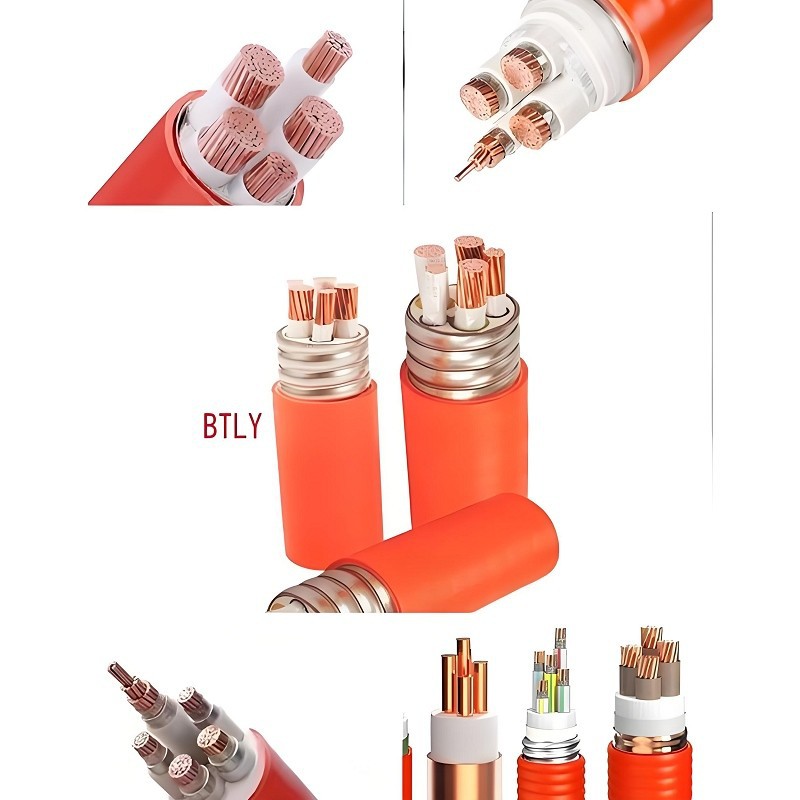
Related Products
If you're looking for other types of cables, we also offer Multi Core Control Cable, Pvc Control Cable, and Industrial Power Cable. These cables are designed for a variety of applications and can be used in conjunction with our Hv Power Cables to meet your specific needs.
Conclusion
So, can Hv Power Cable be used in a windy environment? The answer is yes, but it's important to choose the right cable and take the necessary precautions to ensure its performance and durability. At our company, we have the expertise and experience to help you select the right Hv Power Cable for your application and provide you with the support and resources you need to install and maintain it.
If you're interested in learning more about our Hv Power Cables or other products, please don't hesitate to contact us. We'd be happy to discuss your needs and provide you with a quote. Let's work together to find the best solution for your power cable requirements.
References
- Electrical Power Cable Engineering, by William J. Neill
- High-Voltage Cable Technology, by John B. Scudiere